The Basque Country
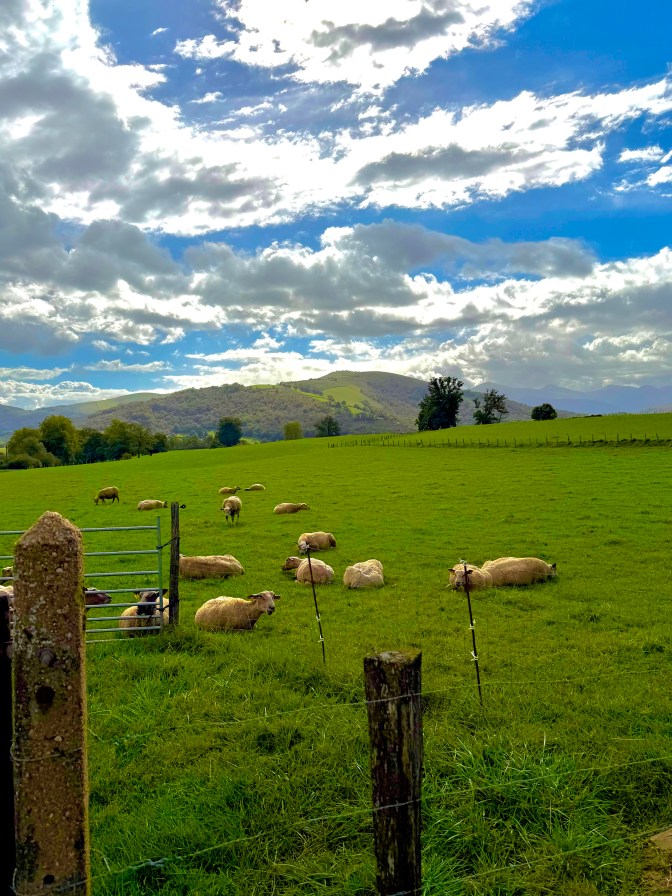
As we traveled farther south toward Saint-Jean-Pied-de-Port and the Pyrenees, we entered the French Basque Country. It felt as though we had crossed into a different world. The countryside was magnificent, with rolling green hills, deep valleys, and little villages tucked into the landscape. The houses, often white with red or green shutters, seemed to grow naturally out of their surroundings. Everything was lush and green, and the mountains were beginning to make their presence known.
The Basque Country has its own history and identity. The Basque people have lived on both sides of what is now the French-Spanish border for centuries. They have their own ancient language, Euskara, and a culture they have fiercely protected through generations. Their traditions, architecture, food, and way of life give this corner of France a character unlike anywhere else we had traveled.
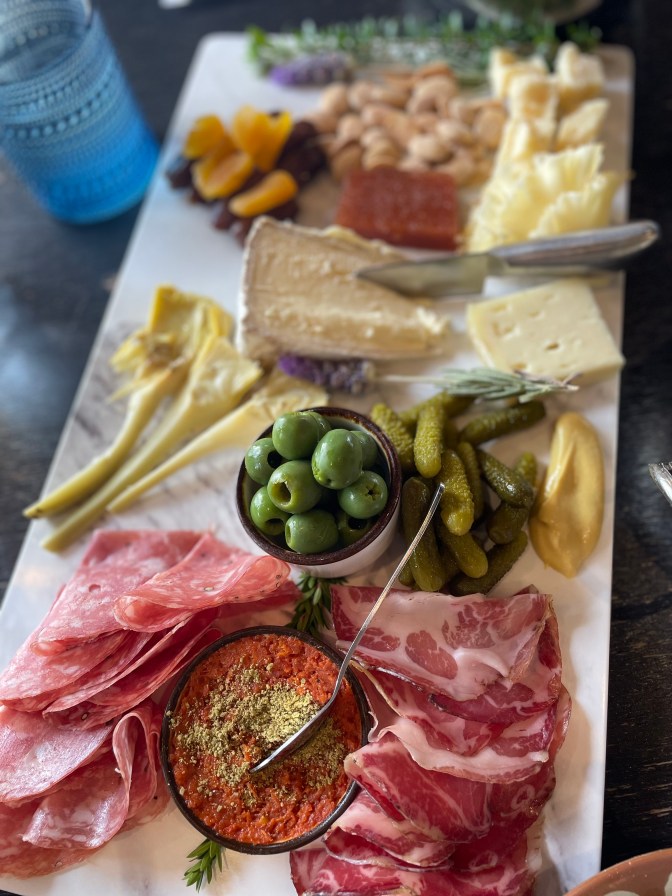
We began noticing the differences at the table, too. The food seemed to become richer, heartier, and more earthy as we moved into this part of France. There were wonderful local cheeses, cured meats, and dishes flavored with the region’s famous Espelette pepper. The cooking reflected the land—simple, generous, and full of flavor. The food felt like it belonged to the people and the place.
One thing we especially appreciated was how connected everything felt to the local community. Our meals were all sourced locally, and it seemed that everyone had a part in making sure travelers were looked after. This was a close-knit community, where people knew one another and helped one another. The village felt like one, and visitors were welcomed into that circle, even if only briefly.
And then there was the walking.
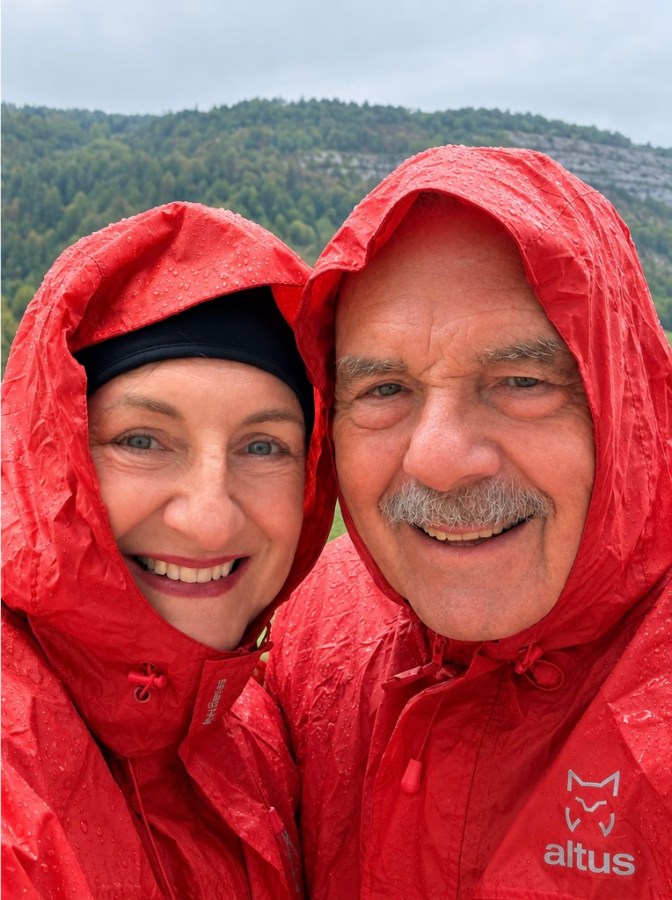
We had enjoyed so much beautiful weather along our journey that our first real rainstorm came as quite a surprise. The rain transformed the trail into something altogether different. The mud was thick and clay-like, sticking to our shoes until we had two or three inches built up underneath them—every few steps we had to stop and scrape it away, only for it to accumulate again. The trail became incredibly slippery, and at times we were doing more sliding than walking.
I have taken my share of falls along the way, but on this particular day, it was Tom’s turn. Poor guy! With the mud beneath our feet and very little traction, he took a tumble down the trail. It was one of those moments that is probably more amusing in hindsight than it was at the time. Walking together certainly teaches you to accept a little discomfort, help each other up, and keep going.
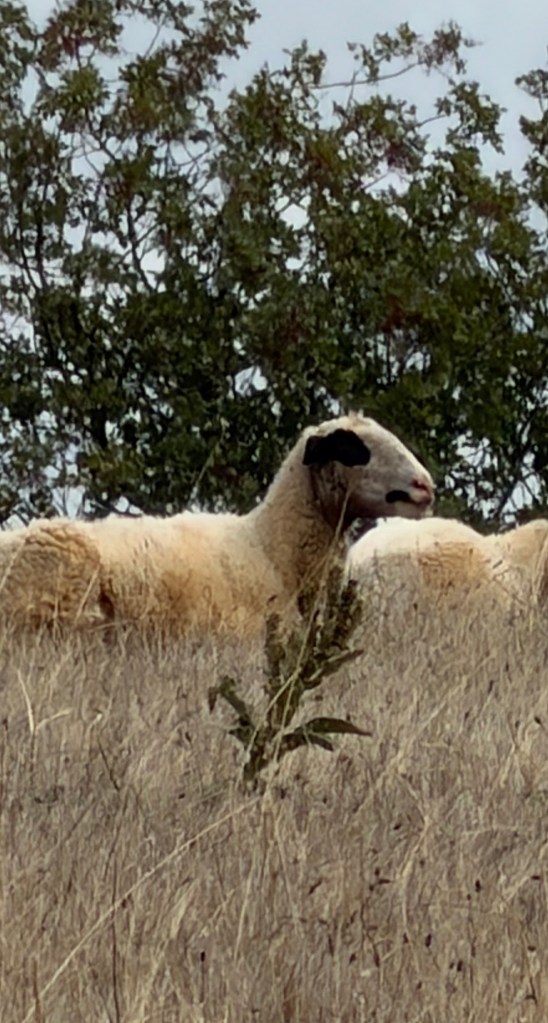
Along the way, we also saw the beautiful black-faced sheep grazing in the green fields. They seemed like such a natural part of the landscape. The traditional black-headed Manech sheep are an important part of Basque farming life, particularly in producing the region’s sheep’s milk cheeses. Seeing them in the pastures gave us another glimpse of the agricultural traditions that have shaped this region for generations.
Despite the rain, the mud, and the occasional spill, something about this part of the journey felt special. The countryside was breathtaking, the food was deeply connected to the land, and the people seemed to share a strong sense of belonging and responsibility.
We were getting closer to Saint-Jean-Pied-de-Port, the historic gateway to the Pyrenees and one of the great starting points for the Camino de Santiago. The mountains were waiting for us, and we could feel the journey changing once again.
Sometimes the most challenging days become the most memorable. I suspect we will remember this stretch of the trail not only for its beauty, but also for the mud on our shoes, Tom’s unexpected fall, the sheep in the fields, and the kindness of a community that seemed to look after its own—and its visitors.
You are loved…


