Cahors
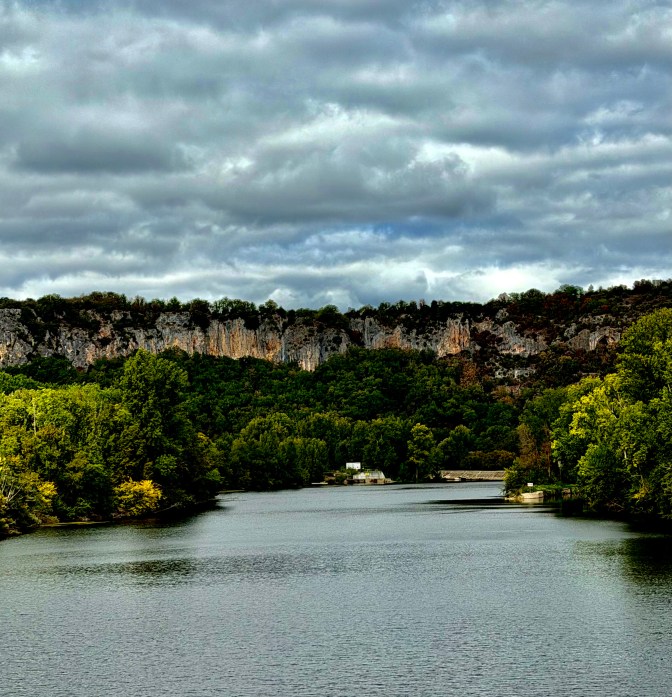
After leaving Saint-Cirq-Lapopie, we continued along the beautiful River Lot to Cahors. We decided this was a place worth slowing down for, so we settled in for two days, with no particular agenda other than enjoying the town, its surroundings, and a little more of the French way of life.
Cahors has a history that reaches back nearly 2,000 years. Originally known as Divona Cadurcorum, it was founded during Roman times and became an important settlement in the region. The Romans built temples, baths, and an amphitheater, remnants of which can still be found throughout the town. Its location, nestled within a sweeping bend of the River Lot, made it a natural center for trade and commerce.
During the Middle Ages, Cahors grew into a prosperous trading town. Its merchants, known as the Caorsins, became famous for their financial dealings and banking activities throughout Europe. The town’s wealth and importance during this period are still evident in its beautiful medieval streets and historic architecture.
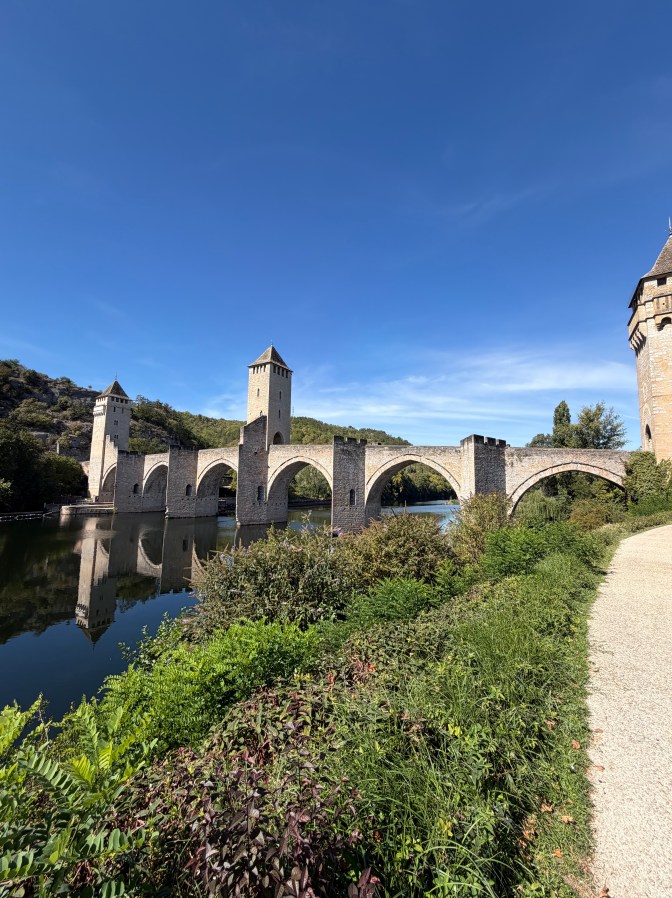
One of its most recognizable landmarks is the Pont Valentré, a magnificent fortified stone bridge crossing the River Lot. Construction began in 1308 and took nearly 80 years to complete. With its three impressive towers and fortified appearance, it looks more like a castle stretched across the river than a bridge. Legend has it that the architect made a bargain with the devil to help finish the construction. This story adds a touch of mystery to this remarkable feat of medieval engineering.
Another treasure is the Saint-Étienne Cathedral, with its unusual Byzantine-style domes and beautiful architecture. Together with the bridge and the old town’s winding streets, it gives Cahors a wonderful sense of its medieval past.
Of course, Cahors is perhaps best known for something else: its wine.
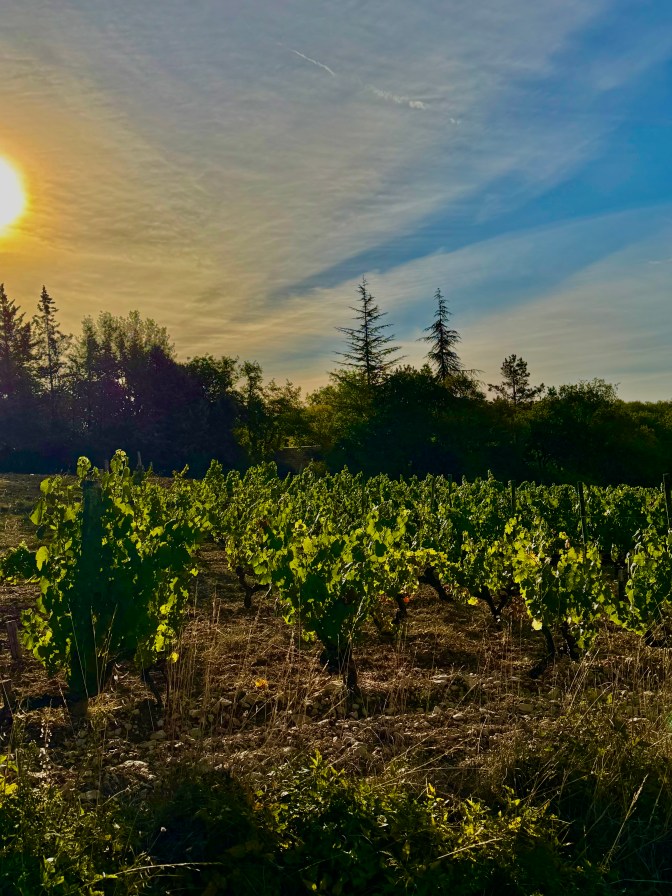
The vineyards surrounding the town have a winemaking history dating back to Roman times, but the region’s wine trade really flourished during the Middle Ages. Its signature grape is Malbec, long known locally as Auxerrois or Côt. The wine became famous for its deep, almost inky color and was often called the “Black Wine of Cahors.” Royalty and powerful figures across Europe, including the English and French courts, enjoyed it.
The vineyards were devastated by the phylloxera epidemic in the 19th century, but the region eventually rebuilt its wine industry. In 1971, Cahors received official AOC recognition, protecting the name and identity of its wines.
And now, having spent time here ourselves, I can understand why this region is so proud of its Malbec. I have to say, the wine was fabulous! There is something especially enjoyable about tasting a wine in the very place where its history began, surrounded by the vineyards and countryside that have shaped it for centuries.

Our two days in Cahors weren’t about sightseeing or checking off a list of attractions. We simply wanted to enjoy the place, take in its history, appreciate the beauty of the River Lot, and, of course, enjoy some wonderful local wine.
After so many days of traveling through beautiful villages and historic towns, it felt good to stay put for a little while. Cahors offered just what we needed: a little history, a little indulgence, and the pleasure of simply being somewhere special.
You are loved…


