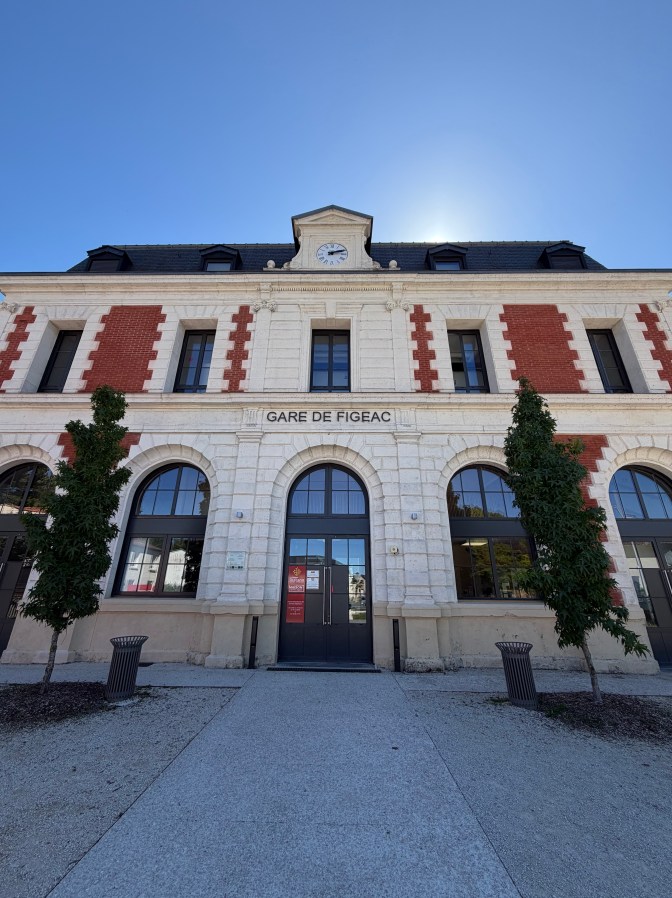
After catching the 6:30 a.m. train from Lyon, we arrived in Figeac, picking up where we had left off from our last walk.
We decided to spend a few days in Figeac, a beautiful historic town tucked into the Célé Valley in southwestern France. Figeac has a history dating back more than 1,200 years and has always been an important stop for pilgrims. The town began around 838 AD, when Benedictine monks established an abbey dedicated to Saint-Sauveur. Farmers, artisans, and other settlers gradually gathered around the abbey, and a town began to take shape.
During the 12th, 13th, and early 14th centuries, Figeac became an important and prosperous trading center. Its location at the crossroads of major trade routes allowed merchants to conduct business throughout France and even with markets around the Mediterranean. The wealth they accumulated is still visible today in the beautiful medieval houses, stone buildings, and elaborate facades throughout the old town. Many of these homes belonged to wealthy merchants and featured shops on the ground floor, living quarters above, and open upper floors used for storing and drying goods.
Like many European towns, Figeac experienced difficult times during the Hundred Years’ War, when its prosperity declined. Over the centuries, it continued to evolve, but fortunately, much of its medieval character survived.
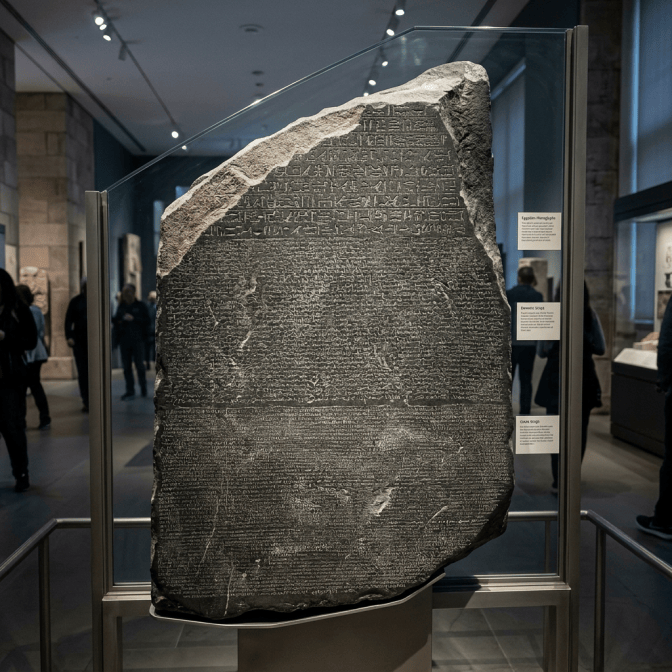
Figeac is also the birthplace of Jean-François Champollion, born there in 1790. He became famous for deciphering Egyptian hieroglyphics using the Rosetta Stone and is considered the father of modern Egyptology. Today, the town honors him with the Champollion Museum and a large reproduction of the Rosetta Stone in the Place des Écritures. We visited this museum, and it was exceptional.
Walking through Figeac’s narrow cobblestone streets, admiring its old merchant houses and charming squares, it was easy to imagine what life might have been like centuries ago. It was a wonderful place to spend a few days, explore, and get ourselves ready for the miles of walking that lay ahead.
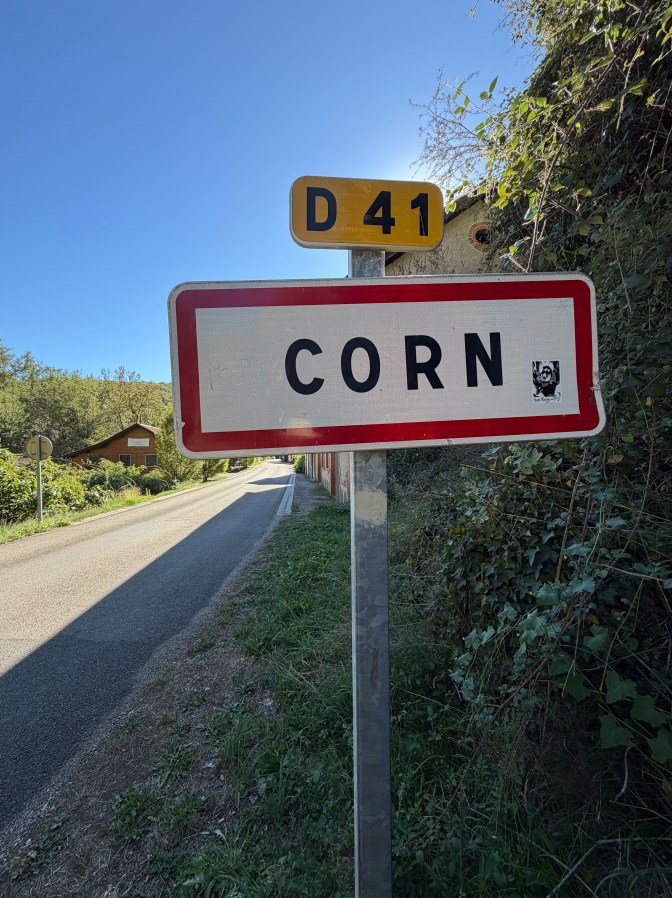
Once we were rested and ready, it was time to lace up our walking boots and get back on the trail. Our first-day destination was the small village of Corn, France, in the Occitanie region. With a population of approximately 238 people, Corn was about as far removed from the hustle and bustle of city life as one could imagine.
We had planned to keep our daily walks to around 10 miles. However, as sometimes happens when traveling on foot, the trail had other ideas. Our first day ended up being a little over 14 miles, not quite the short introduction we had planned, but a wonderful way to get back into the rhythm of walking.
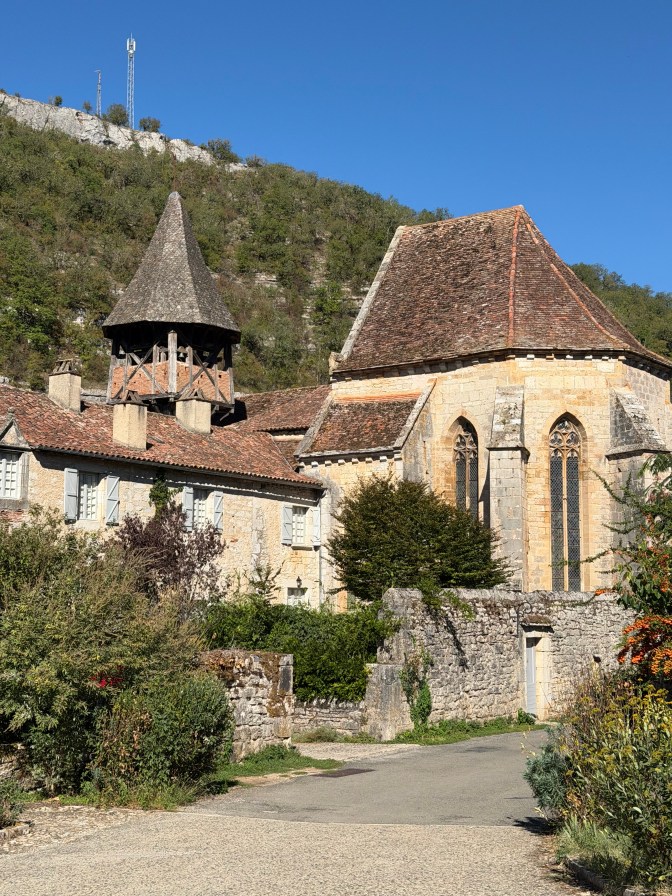
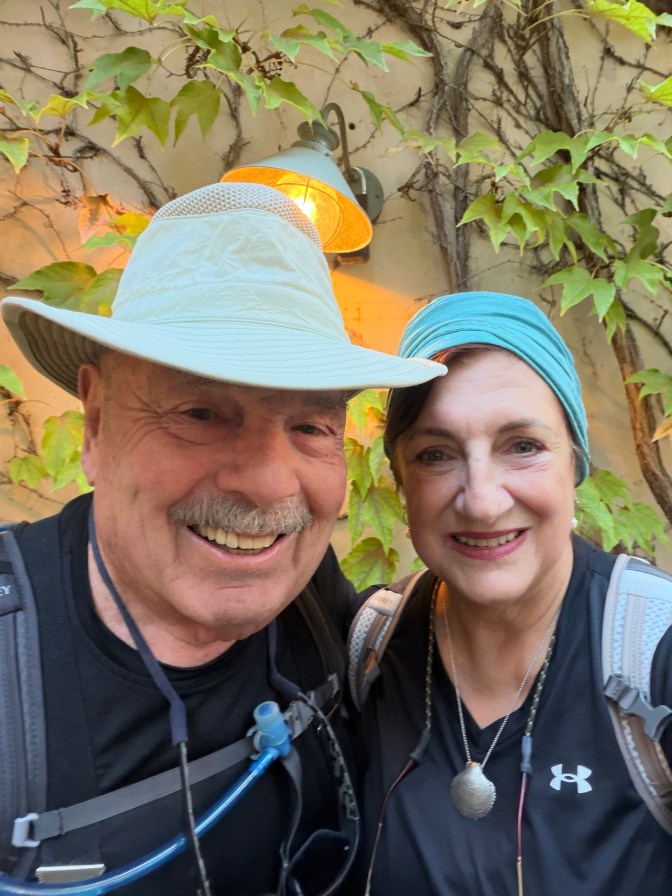
That evening, we settled in at Gîte Antiquithe, home to Martine and Bernard, local farmers who welcomed us in. Staying in places like this is one of the special parts of walking through the French countryside. You get more than a place to sleep; you get a glimpse into the lives of the people who call these little villages home.
And just like that, our adventure was underway. With fourteen miles behind us and 286 to go, we were ready to see what the next day would bring.
You are loved…


