
The road from Ljubljana to Trieste wound gently through green hills and open fields—a quiet, contemplative drive that mirrored our mood. We left Slovenia under clear skies, the landscape bathed in soft autumn light.
As we entered Italy, the world seemed to change once more—the architecture, the rhythm of speech, and even the way the light danced on the sea. Trieste emerged almost suddenly, cascading down toward the Adriatic. It is a city shaped by centuries of change and the ever-present influence of the sea.

Throughout much of its history, Trieste served as a crossroads—not just of nations, but also of ideas and identities. Once the prominent port of the Austro-Hungarian Empire, it was situated on the edge of various worlds: Italian in spirit, Slavic in heritage, and Central European in temperament. During the 19th century, it became one of the busiest ports in Europe, bustling with traders, writers, and dreamers. You can still sense that cosmopolitan energy in its wide boulevards and elegant cafés, where conversations flow effortlessly between languages.
We walked along the Piazza Unità d’Italia, one of Europe’s largest seafront squares, where grand buildings face the water like dignified elders. The Adriatic Sea stretched before us—gray-blue and endless—and the air carried the faint salt of old journeys. We were excited to hear that the author James Joyce had once lived in this area. We watched the city move at its own deliberate pace, a blend of Italian charm and something uniquely different.
The drive from Trieste to Venice felt like a gradual return to a familiar dream. The road curved westward, passing by vineyards and flat wetlands, until water began to emerge again—first as glimmers, then as vast lagoons reflecting the sky.
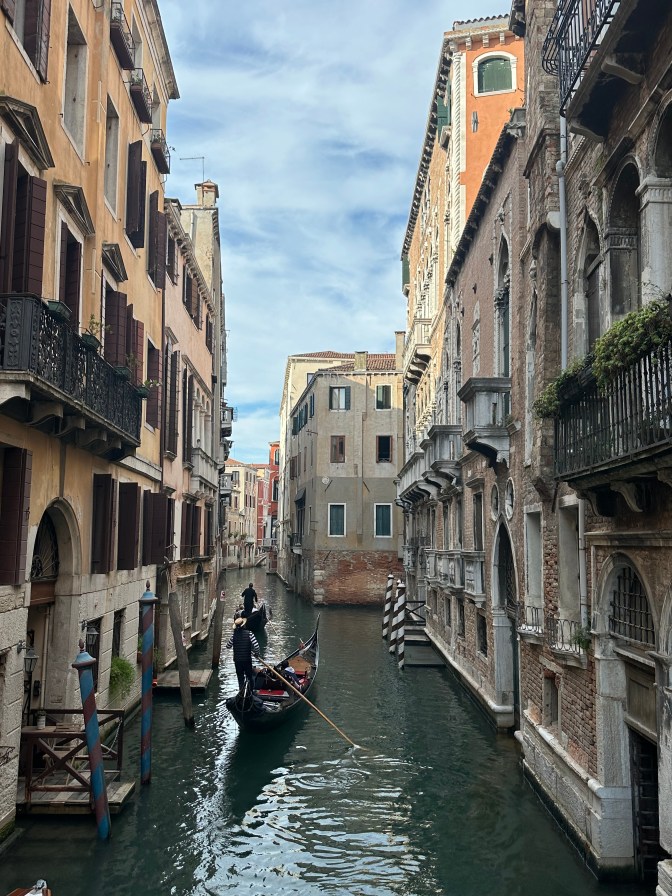
Arriving in Venice is always a remarkable experience, no matter how many times you visit. The city appears to rise from the realm of imagination—a place so extraordinary that it seems unreal, yet there it is, quietly floating between the sea and the sky. Founded over 1,500 years ago by those fleeing mainland invasions, Venice evolved into one of the world’s great maritime republics. By the Middle Ages, its fleets dominated the Mediterranean trade routes, bringing back spices, silk, and stories from far-off lands.
We got to our lodging easily and stood in awe as we looked out over the waterways. The palaces shimmered in the afternoon light, and water taxis maneuvered through the reflections. The sound of church bells mingled with the splash of oars. Venice remains a paradox—fragile yet enduring, endlessly visited yet still mysterious.
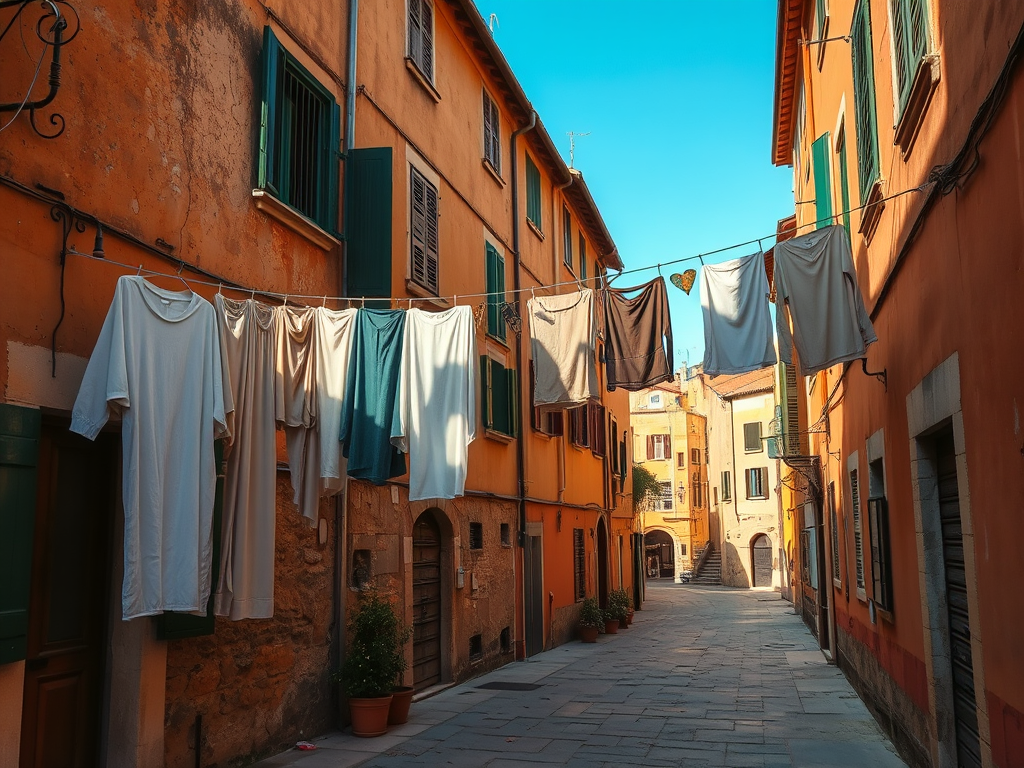
That evening, we wandered through quiet backstreets where laundry hung above narrow canals, and the scent of garlic drifted from open windows. Away from the crowds, Venice feels timeless—a city that whispers instead of shouts. We sat in the piazza and savoured the moment.
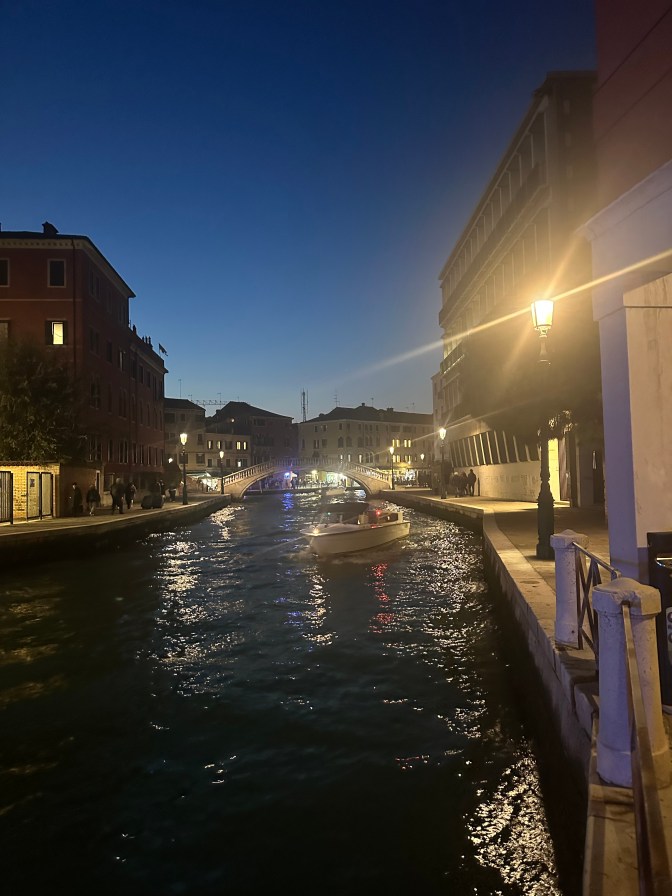
By night, as lights trembled across the water, we sat beside the lagoon and watched the tide breathe in and out. It was hard not to think of all the travelers who had come before us—merchants, artists, and explorers—each finding something different in this city of reflections.
It felt like the right moment to pause — the perfect culmination of our travels before heading home. We have been blessed with extraordinary experiences during this sabbatical. Venice appears to be the meeting point of all our journeys, connecting everything we’ve seen with what lies ahead.
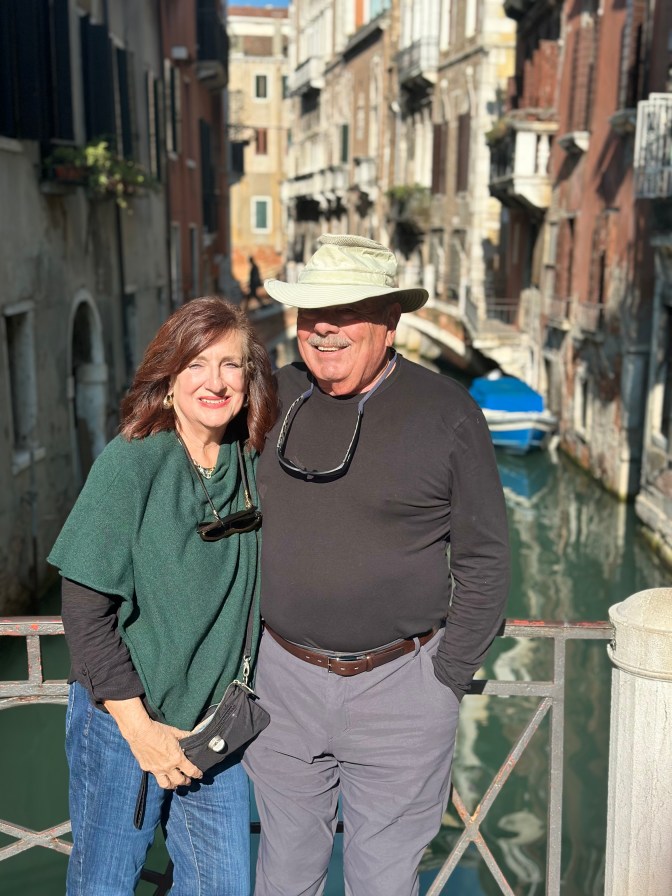
You are loved and have been missed…

 Tom and Nancy’s Journeys