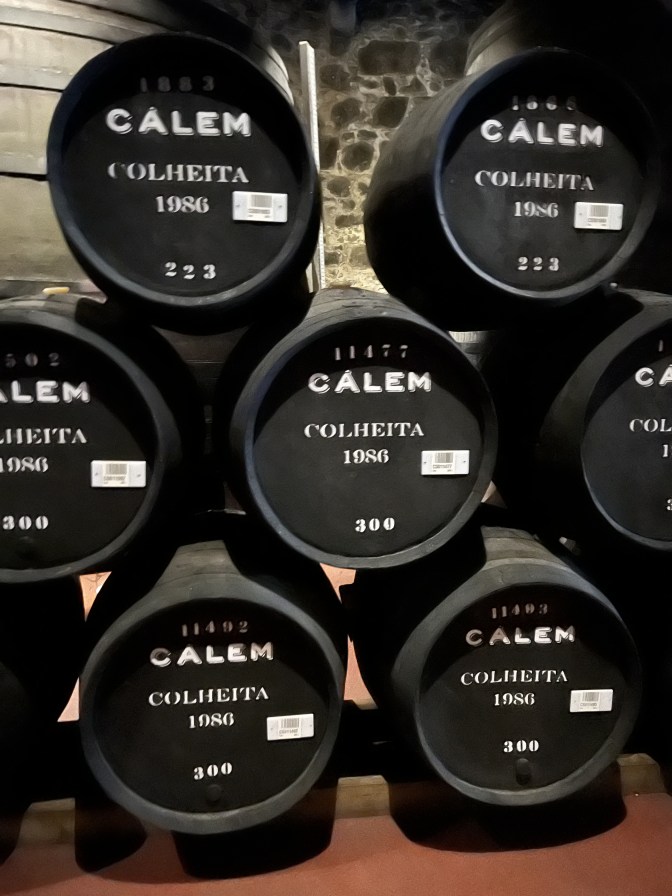
Located along the Duoro River estuary in northern Portugal, Porto is one of the oldest centers for the production of Port wine. Beginning in the thirteenth century, the cellars of Vila Nova de Gaia were responsible for producing, storing, transporting, and eventually exporting these fortified wines. Today, the production of these high-quality fortified wines is a significant export for the country of Portugal. In fact, under the European Union Protected Designation of Origin guidelines, only this product of Portugal can be labeled as Port.
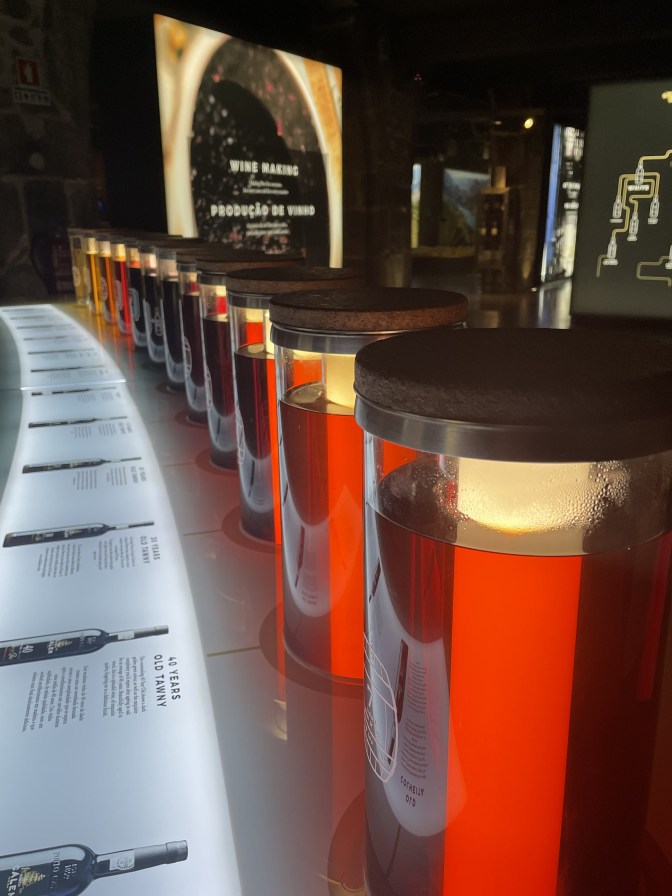
A day in the port caves will help you appreciate the intricate work of producing a fine Port wine, and I was reminded that some of the best things in life take time. Legally, all these wines must be aged for two years before they can be released as a Port wine. Some of the younger varieties are a mere ten years of age, and others, upwards of a hundred years. The addition of brandy halts the fermentation process by creating an environment where the wine yeast can’t survive. This also adds sweetness to the wine and does increase the ABV to a minimum of 17.5%.
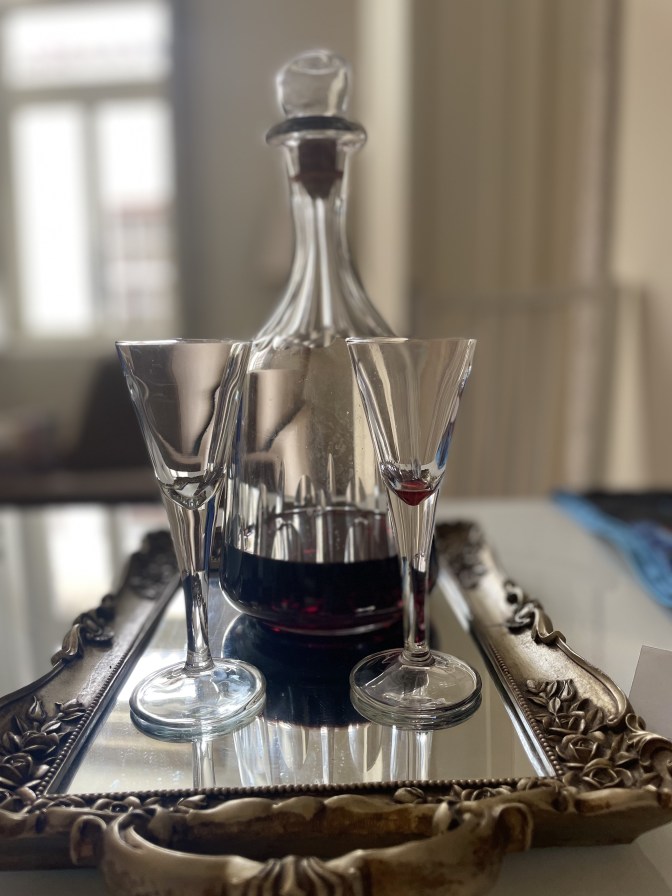
Over the last 2,000 years, the making of Port wine has been modernized. But, the one thing that has remained the same is the picking of the grapes. This is still done by hand. The ancient grape terraces are protected by UNESCO and are too narrow for tractors. I have come to appreciate that a nice glass of Port, a beautiful view of the Duoro River, and lively conversations with people I love are the perfect way to end my day. When alive, live!

 Tom and Nancy’s Journeys